
An Overview Of Analog Panel Meters
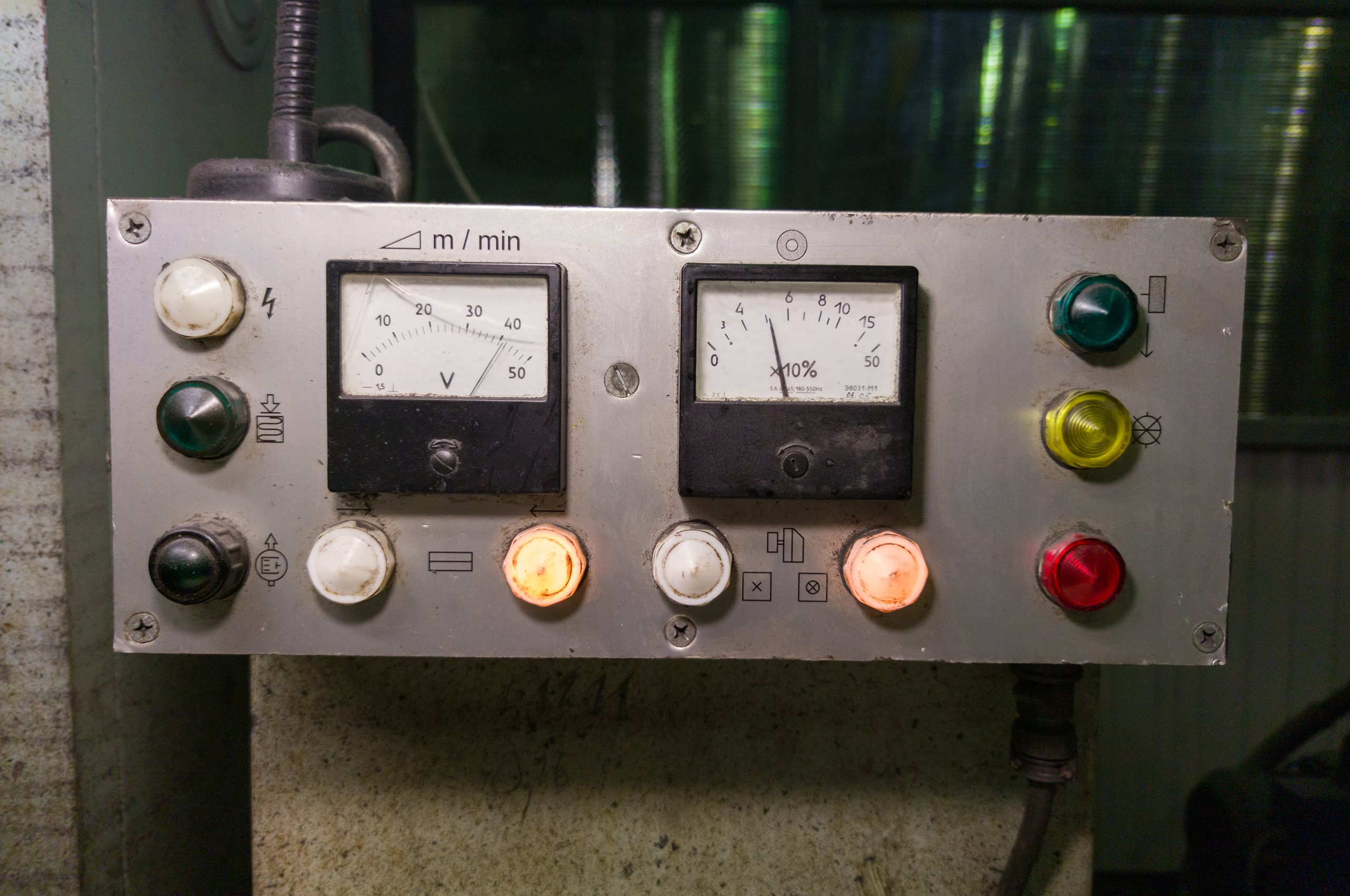
An analog panel meter converts electrical activity into visible mechanical movement, translating voltage, current, or power into a clear position on a calibrated scale. This physical response allows technicians to interpret system conditions instantly without interpreting numerical readouts. In environments that demand steady monitoring and direct visual feedback, the analog panel meter continues to serve a meaningful purpose. Its design reflects decades of electrical measurement practice, pairing straightforward operation with long service life across industrial, commercial, and specialized technical installations.
The value of an analog panel meter extends beyond tradition. A steadily positioned needle communicates normal operation, while subtle movement signals change. This immediate visual cue helps operators identify developing issues early, often before automated alerts trigger, which explains its continued use in monitoring-focused systems.
What Is an Analog Panel Meter?
An analog panel meter is a fixed-mount instrument that displays electrical values through a moving pointer across a marked scale. The pointer responds proportionally to the incoming signal, such as alternating current, direct current, or voltage. This proportional movement delivers immediate feedback without refresh delays or abrupt numerical shifts.
Most analog panel meters use circular or rectangular faces that integrate cleanly into control panels. Scale layout, pointer length, and marking style vary by measurement range and intended use. Many installations favor these meters for continuous observation rather than precise numeric analysis, aligning well with their strength in pattern recognition.
How Analog Panel Meters Operate
Analog panel meters function through electromechanical motion. When an electrical signal enters the device, internal components convert that signal into mechanical force. This force moves the pointer across the scale in direct relation to input magnitude.
Common operating mechanisms include moving iron, moving coil, and stepper motor designs. Each responds differently to alternating or direct current, affecting sensitivity, accuracy, and tolerance to environmental conditions. These mechanisms have remained reliable through decades of use in demanding electrical systems.
Common Applications of Analog Panel Meters
Analog panel meters appear across many industries due to their clarity and durability. Electrical control panels commonly use them to monitor voltage and current during operation. Broadcast and RF systems depend on them to observe transmitter output and balance conditions.
Industrial machinery also benefits from analog displays, particularly in environments affected by vibration or electrical noise. In commercial facilities, analog panel meters act as visual indicators for power distribution and equipment status. Their continued use reflects confidence in predictable performance under electrical load.
Types of Analog Panel Meter Mechanisms
- Moving Iron Meters
Moving iron meters operate through the attraction or repulsion of iron elements within a magnetic field. These meters handle alternating current effectively and tolerate electrical variation well. Their rugged construction suits industrial environments with fluctuating loads.
- Moving Coil Meters
Moving coil meters rely on a suspended coil within a magnetic field. This configuration produces smooth pointer movement and higher sensitivity, making it well suited for direct current measurement. These meters often appear in applications that demand steady, readable output.
- Taut Band and Stepper Motor Designs
Taut band meters suspend the pointer using thin metal bands rather than jeweled bearings. This structure reduces friction and improves durability in high-vibration environments. Stepper motor designs convert electrical signals into controlled pointer movement, combining mechanical readability with improved stability.
Single-Channel and Multi-Channel Configurations
Many analog panel meters measure a single electrical variable, such as voltage or current. Multi-channel designs measure several variables within one housing, reducing panel space requirements. This approach supports more complex monitoring needs while maintaining clear visual separation.
Multi-channel meters often appear in systems where operators need to compare related electrical values side by side.
Advantages of Using an Analog Panel Meter
An analog panel meter offers immediate situational awareness. A steady pointer suggests stable operation, while movement draws attention to change. This characteristic supports faster human response compared to fluctuating numerical displays.
Mechanical simplicity also contributes to long-term reliability. Fewer electronic components reduce susceptibility to electromagnetic interference, which benefits electrically noisy environments such as RF transmission sites and power systems.
Maintenance demands remain low. Many analog panel meters operate for extended periods without recalibration, which suits installations focused on operational stability rather than laboratory-level precision.
Analog Panel Meters in RF and Transmitting Systems
RF and transmitting environments depend on visual monitoring for operational stability. Analog panel meters allow operators to observe load balance, output variation, and system performance patterns during operation. Their resistance to electrical noise supports accurate observation in high-frequency settings.
These systems often pair analog panel meters with complementary components such as mica capacitors, which manage spacing and signal stability within transmitting assemblies. This combination reflects a design philosophy centered on durability and long-term performance.
Talk With a Team That Understands Transmitting Systems
At Commercial Radio Company, Inc., we work with customers who depend on stable measurement and transmitting components. Our experience with analog panel meters and mica capacitors allows us to assist with component selection and availability.
If your system requires dependable parts backed by industry knowledge and fast shipping, we are ready to help you move forward with confidence.
