
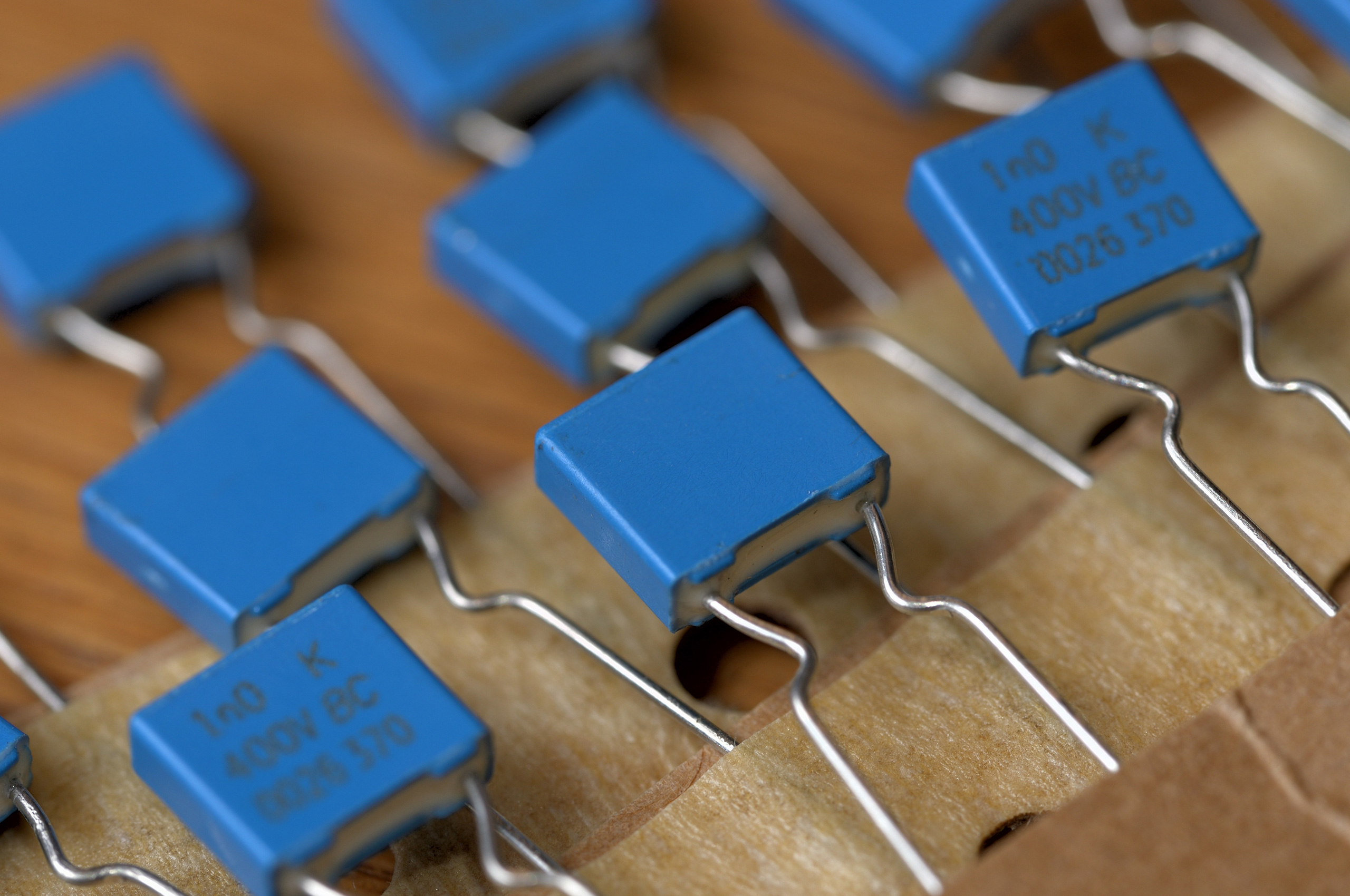
Power Film Capacitors: Improving Efficiency In Industrial Systems
Industrial electronic systems depend on components that can handle demanding electrical conditions without compromising stability or lifespan. Power film capacitors have become a preferred solution in applications where precision, thermal stability, and electrical endurance matter. These components are designed to operate reliably in environments that involve elevated voltages, fluctuating loads, and repetitive switching cycles.
As industries continue to push equipment harder to gain efficiency and uptime, understanding how power film capacitors function, where they excel, and how they compare to other capacitor technologies offers meaningful insight for engineers and system designers focused on performance-driven design.
Understanding Power Film Capacitors in Industrial Design
Power film capacitors belong to a broader family of film-based components that use a thin plastic dielectric layered with metal electrodes. In industrial systems, these capacitors are valued for predictable electrical behavior, low losses, and resistance to aging. Unlike electrolytic technologies that rely on chemical processes, film capacitors maintain consistent characteristics across long service lives.
In high-demand environments, power film capacitors often act as energy buffers, voltage stabilizers, or noise suppression elements. Their construction allows them to tolerate rapid charge and discharge cycles while maintaining tight tolerances. This makes them suitable for industrial controls, power conversion equipment, and systems exposed to repetitive electrical stress.
High Voltage Capacitors and Electrical Stability
High voltage capacitors play a key role in maintaining operational stability across industrial platforms. Power film capacitors are frequently selected for these roles because their dielectric materials exhibit strong insulation resistance and minimal leakage current. These traits reduce the risk of thermal runaway and insulation breakdown, even when operating near upper voltage limits.
In applications such as switched-mode power supplies, inverters, and power conditioning units, voltage spikes can disrupt system performance. Film-based high voltage capacitors help manage transient events by absorbing and releasing energy in a controlled manner. This contributes to smoother voltage profiles and reduced stress on surrounding components, extending overall system life.
Handling High Current Capacitors in Demanding Applications
Industrial systems often require components capable of carrying significant current without overheating or degrading. High current capacitors made with film dielectrics excel in this area due to their low equivalent series resistance and low self-inductance. These electrical characteristics allow current to flow efficiently, minimizing internal heat generation.
Power film capacitors are frequently integrated into snubber circuits, motor drives, and power factor correction assemblies. In these roles, they help manage current surges generated during switching events. Their ability to handle repeated pulse loads makes them suitable for environments where reliability directly affects productivity and safety.
Efficiency Gains Through Low Loss Performance
Efficiency improvements in industrial systems often begin at the component level. Power film capacitors contribute by reducing energy losses associated with dielectric heating and resistive effects. Compared to many alternatives, film capacitors maintain stable capacitance values across temperature ranges and operating frequencies.
Lower losses translate into less wasted energy and reduced cooling requirements. Over time, this improves operational efficiency and lowers maintenance demands. In large-scale industrial installations, even small efficiency gains at the component level can create measurable cost and energy savings across the entire system.
Reliability in Harsh Operating Conditions
Industrial environments expose electronic components to vibration, temperature extremes, and electrical noise. Power film capacitors are designed to withstand these conditions without significant drift in performance. Metallized film designs also feature self-healing behavior, allowing minor dielectric faults to isolate without causing catastrophic failure.
This characteristic is especially valuable in systems where downtime leads to production losses or safety concerns. Engineers often choose film-based solutions when consistent operation over extended periods outweighs the need for compact size or ultra-high capacitance density.
Comparing Film and Mica Capacitor Technologies
While power film capacitors serve a wide range of industrial needs, mica capacitors remain indispensable in high-power RF and transmitting applications. Mica technology offers superior stability under high voltage and frequency conditions, making it ideal for broadcasting, military, and energy transmission systems.
Many industrial designs rely on a combination of capacitor types, selecting film capacitors for power handling and noise suppression while reserving mica capacitors for precision and transmitting roles. Access to dependable sources for specialized components, such as mica capacitors, becomes important when system performance depends on exact electrical behavior.
Talk With Our Team About Your Power Capacitor Needs
At Commercial Radio Company, Inc., we work closely with engineers who need dependable capacitor solutions for demanding industrial systems. Our focus on mica transmitting capacitors, and related RF components comes from decades of hands-on experience. We stock deeply, ship quickly, and help customers select parts that fit real operating conditions.
If your system depends on stable power handling and long-term reliability, we are ready to help. Start the conversation through our contact us page.
